 Image 1 of 1


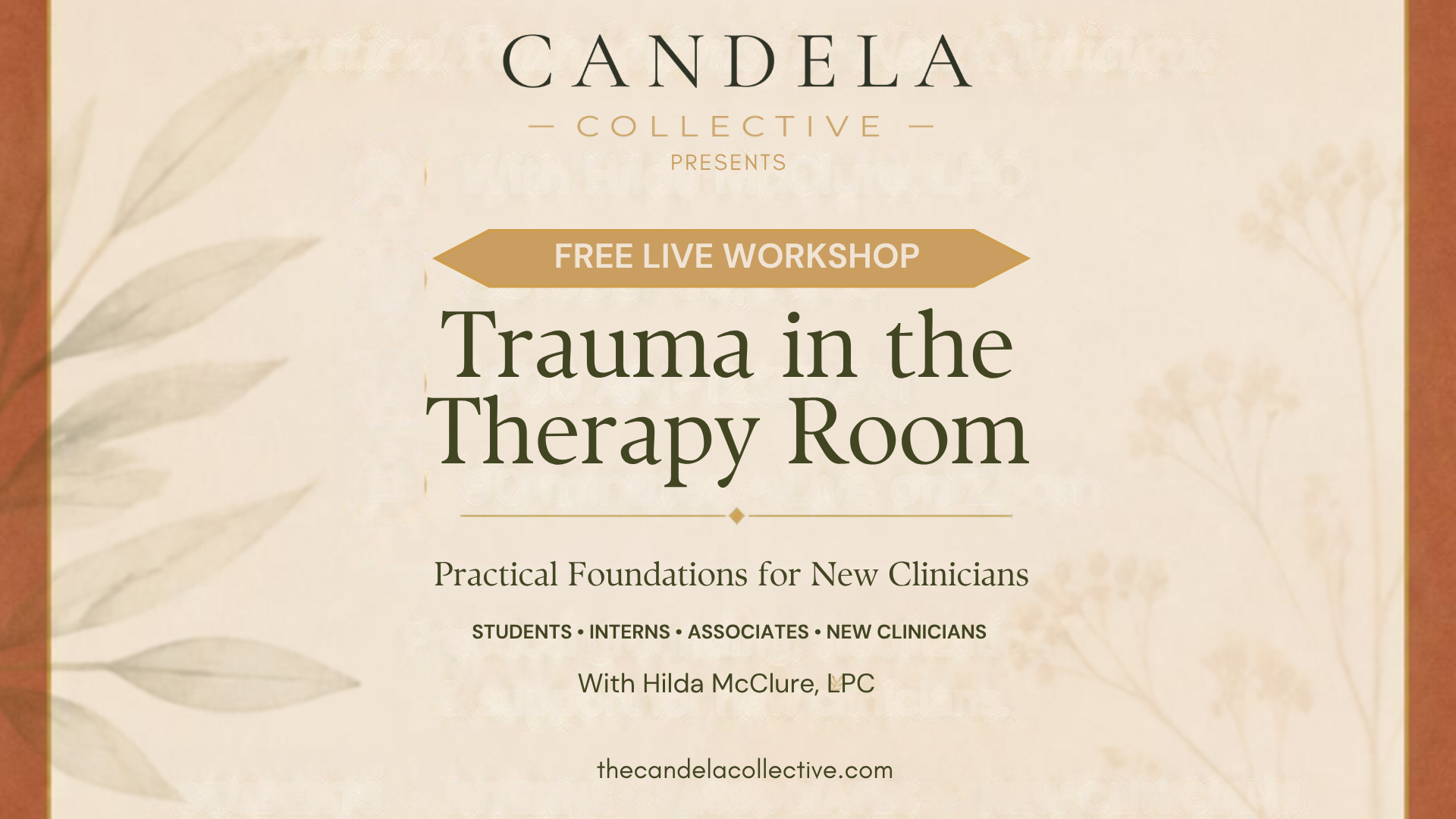
New clinicians are often told to be trauma-informed, but they are not always taught what to do when a client becomes overwhelmed, shuts down, disconnects, or struggles to remain present.
This introductory workshop will help you recognize trauma responses in the therapy room and respond in ways that support safety, choice, and present-moment connection. You will leave with practical grounding and stabilization interventions that you can begin using within your role and level of competence.
How trauma responses may appear during a session
Signs that a client may be overwhelmed or disconnected
Practical grounding and stabilization interventions
How to offer an intervention without removing the client’s choice
What to do when grounding does not help
When to slow down, seek supervision, or refer for specialized treatment
Counseling and social-work students
Practicum students and interns
Associate-level clinicians
Clinicians who are newer to working with trauma
No formal trauma training is required.
New clinicians are often told to be trauma-informed, but they are not always taught what to do when a client becomes overwhelmed, shuts down, disconnects, or struggles to remain present.
This introductory workshop will help you recognize trauma responses in the therapy room and respond in ways that support safety, choice, and present-moment connection. You will leave with practical grounding and stabilization interventions that you can begin using within your role and level of competence.
How trauma responses may appear during a session
Signs that a client may be overwhelmed or disconnected
Practical grounding and stabilization interventions
How to offer an intervention without removing the client’s choice
What to do when grounding does not help
When to slow down, seek supervision, or refer for specialized treatment
Counseling and social-work students
Practicum students and interns
Associate-level clinicians
Clinicians who are newer to working with trauma
No formal trauma training is required.